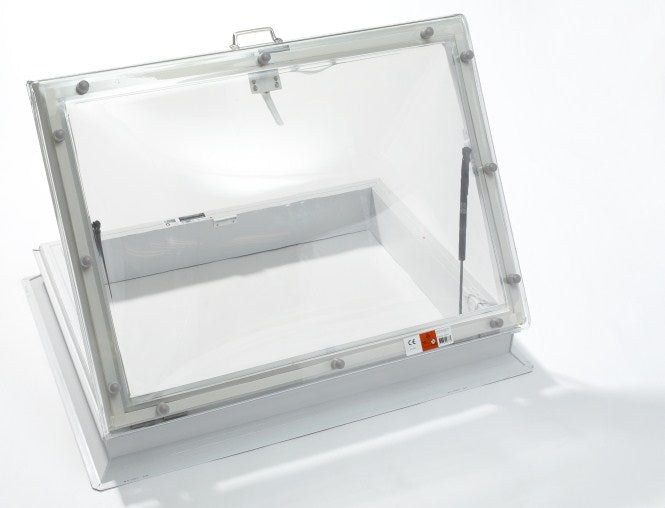
Thermadome Polycarbonate Dome Rooflight Fixed PVC Kerb - Rooflights & Skylights

Shop for Polycarbonate Rooflights

Polycarbonate is a hard, durable and highly versatile form of plastic which is widely used in construction. It is easily moulded into rounded shapes and not only is it a lightweight material, but it is also relatively inexpensive which makes it ideal for use in roof lights. 

We offer a wide range of polycarbonate rooflights and domed roofights from our Thermadome range. All are available on short lead times in standard sizes, in both fixed and ventilated options and with or without kerbs.

Download the brochure

Filter products

Frequently Asked Questions

Get answers to common questions about our product range.

Thermadome Polycarbonate Dome Rooflight Fixed PVC Kerb - Rooflights & Skylights

What are the advantages of polycarbonate rooflights?

Polycarbonate rooflights offer a practical and cost-effective way to introduce natural daylight into a building. They are lightweight, durable, and highly impact-resistant, making them a popular choice for both residential and commercial applications.

Compared to glass, polycarbonate is significantly lighter, which can simplify installation as it reduces the load placed on the supporting roof structure. Many polycarbonate rooflights also provide good thermal performance, particularly multiwall designs that incorporate insulating air pockets within the material, although performance levels can vary between products and specifications.

Polycarbonate rooflights are commonly specified for flat roofs, industrial buildings, warehouses, schools, and outbuildings where durability, value, and ease of installation are key considerations.

Are polycarbonate rooflights cheaper than glass?

Generally, yes. Polycarbonate rooflights are typically less expensive to manufacture and install than equivalent glass rooflights, making them a cost-effective solution for many projects.

Their lighter weight can also help reduce handling and installation costs, particularly on larger roofs or commercial buildings. However, pricing will vary depending on factors such as size, glazing specification, thermal performance, and product design.

While polycarbonate often offers a lower upfront cost, glass rooflights may provide advantages in areas such as aesthetics, scratch resistance, and long-term clarity. The most suitable option will depend on the requirements and budget of the project.

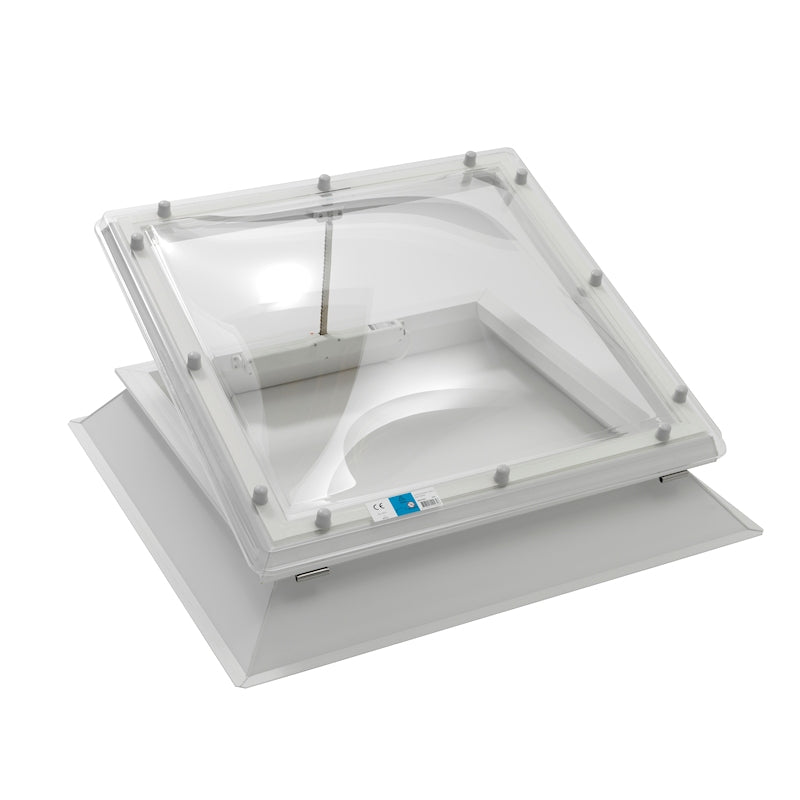
Mardome Reflex Polycarbonate Dome Only Rooflight - Rooflights & Skylights

How long do polycarbonate rooflights last?

The lifespan of a polycarbonate rooflight will depend on the quality of the product, environmental conditions, and ongoing maintenance. High-quality polycarbonate rooflights that are UV-protected can often provide decades of reliable service when correctly installed and maintained.

Exposure to weather, airborne pollutants, and physical wear can affect longevity over time, which is why regular inspection and maintenance are recommended. Many manufacturers also provide warranties that offer a useful indication of the expected long-term performance and service life of their products.

Do polycarbonate rooflights yellow over time?

Modern polycarbonate rooflights have UV protection built into the polycarbonate material itself, rather than being a separate coating applied to the surface. This means it will not peel, flake or wear off over time, helping the rooflight resist yellowing, brittleness and sun damage throughout its serviceable life.

Built-in UV protection also helps minimise discolouration and maintain light transmission for many years. As a result, yellowing is far less common than it was with older generations of polycarbonate products.

However, all materials exposed to sunlight and weathering will experience some degree of ageing over time. The rate of any discolouration will depend on factors such as product quality, UV protection, environmental conditions and maintenance.

Choosing a high-quality rooflight with proven UV protection can help maximise long-term clarity, light transmission and overall performance.

R&S Trickle Vents - Rooflights & Skylights

Are polycarbonate rooflights impact-resistant?

Yes. One of the main advantages of polycarbonate is its exceptional impact resistance. Polycarbonate is widely recognised for its durability and can withstand impacts that would damage many conventional glazing materials, making it a popular choice where strength and resilience are important considerations.

This makes polycarbonate rooflights well suited to areas exposed to hail, falling debris, or accidental impacts during maintenance activities. In many commercial, industrial, and educational buildings, polycarbonate is specified specifically for its ability to withstand demanding or exposed environments.

While highly durable, polycarbonate rooflights should not be assumed to be walk-on products unless they have been specifically designed, tested, and certified for pedestrian access.