A light and airy kitchen with skylight

Shop for Glass Roof Lights

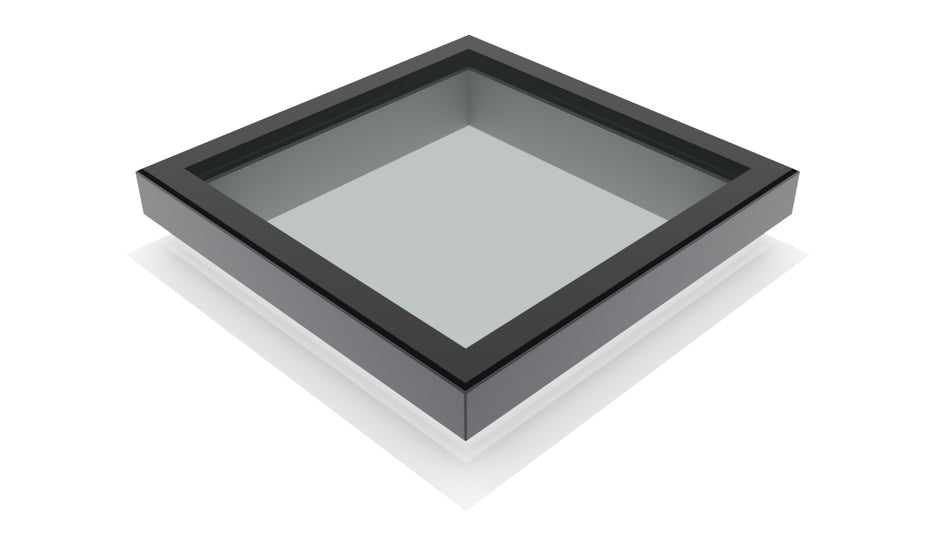
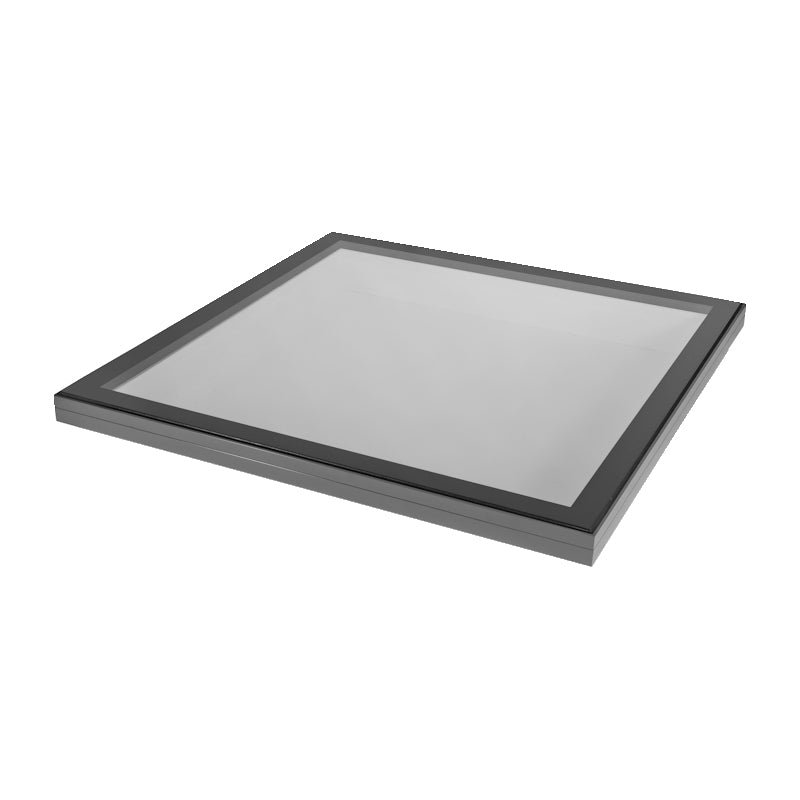
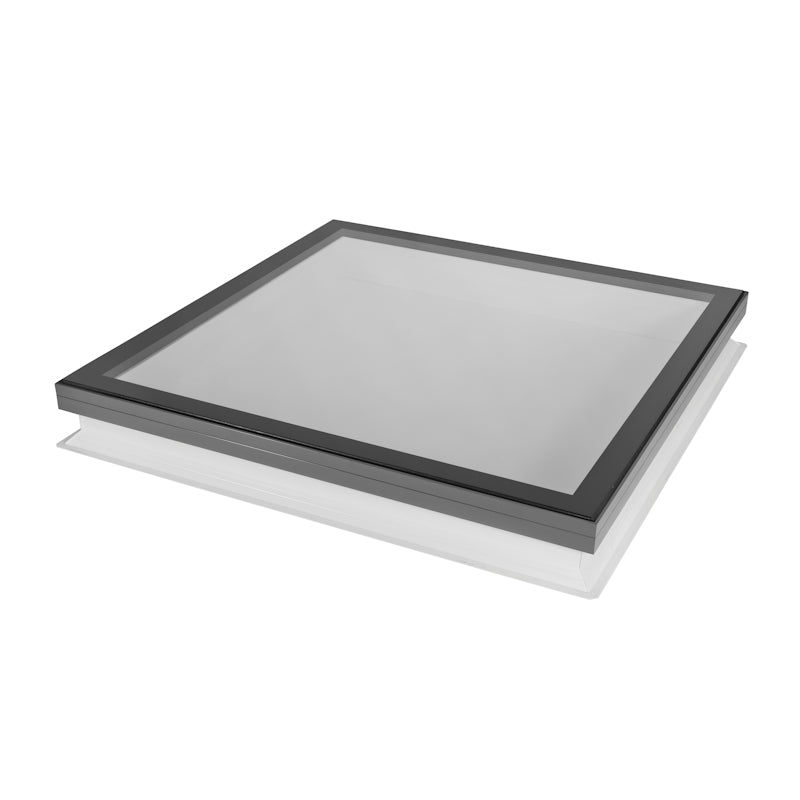
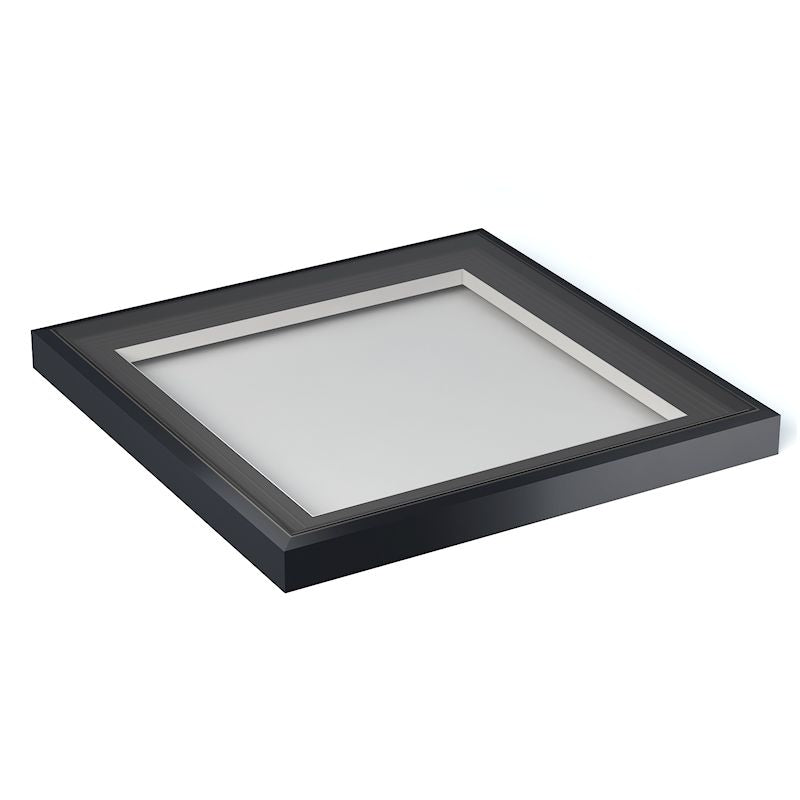
For an authentic, contemporary and deluxe finish, glass roof lights provide a superior offering in unsurpassed quality and choice. As one of the UK's leading supplier of fixed and flat glass rooflights, which are available from our Starglaze and Lunaglaze, Astroglaze and Skylantern ranges. It is important to note that these can be supplied either with or without an upstand to suit your requirements exactly.

Using a glass rooflight can provide a sharp and solid finish to your property with options in skin thickness, glazing, frame colours and much more and we can help assist you in making the right choice for both domestic roof lanterns and other commercial applications.

Download the brochure

Filter products

Frequently Asked Questions

Get answers to common questions about our product range.

Modern living room with large glass roof and white furniture

What type of glass is used in rooflights?

Glass rooflights are typically manufactured using toughened or laminated safety glass, or a combination of both. Toughened glass is heat-treated to increase its strength and, if broken, fractures into small rounded pieces (dice) rather than sharp shards. Laminated glass incorporates an interlayer that helps hold the pieces together if the glass breaks, providing an additional level of protection - particularly important in overhead glazing applications where safety is a priority.

Most rooflights intended for overhead glazing use laminated glass on the inner pane and toughened glass on the outer pane, although specifications can vary depending on the product, size, and intended application. Double and triple-glazed units combine these properties across multiple panes, with insulating gas-filled cavities between them to improve thermal performance. Low-emissivity (low-E) coatings are also commonly applied to reduce heat loss and improve energy efficiency.

Are glass rooflights safe?

Yes, when correctly specified and installed as per the manufacturers recommendations. Glass rooflights intended for overhead glazing are required to meet specific safety standards, and reputable products will use either laminated or toughened safety glass - or both - to ensure they perform safely in use.

For most overhead glazing applications, the inner pane is specified as laminated glass. This helps ensure that if the glazing is damaged, fragments remain bonded to the interlayer rather than falling into the space below. It is important to check that any rooflight you purchase meets the relevant British and European safety standards.

Astroglaze Electric Hinged Laminated Glass Rooflight - Rooflights & Skylights

Do glass rooflights have a self-cleaning coating?

Some do, though it is not standard across all products. Self-cleaning glass incorporates a specialist coating that uses UV light to break down organic dirt and allows rainwater to wash residue away more effectively. This can help reduce the frequency of manual cleaning, which is particularly useful for rooflights that are difficult to access. These coating however can be less effective on a flat glass rooflight due to reduced of water run off.

It is worth checking whether self-cleaning glass is included as standard or available as an upgrade on your chosen product. While self-cleaning coatings can reduce maintenance requirements, they do not eliminate the need for occasional cleaning, particularly where dirt is non-organic, such as dust, bird droppings, or pollution deposits. Periodic cleaning will still be required to keep the glazing performing at its best.

How does triple glazing compare to double glazing in rooflights?

Triple glazing adds a third pane of glass and an additional insulating cavity, resulting in a lower U-value and improved thermal performance compared to a standard double-glazed unit. This makes it a strong option for projects where energy efficiency is a key consideration, or where the rooflight will be installed in a particularly exposed or cold environment.

Triple glazing can also improve internal surface temperatures and reduce the likelihood of cold spots near the rooflight during winter months, helping to create a more comfortable indoor environment.

The trade-off is additional weight and cost. Triple-glazed units are heavier than double-glazed equivalents, which may have implications for the supporting roof structure, and they typically carry a higher price. For many residential projects, a high-specification double-glazed unit with a low-E coating will comfortably meet performance requirements. Triple glazing is worth considering where enhanced thermal performance is a priority.

Brett Martin Circular Glass with GRP Kerb - Rooflights & Skylights

Can glass rooflights reduce heat loss?

Yes, when correctly specified. Heat loss through a rooflight is measured by its U-value; the lower the figure, the less heat escapes. Modern double- and triple-glazed rooflights with low-emissivity coatings and thermally broken frames can achieve very low U-values, helping to reduce heat loss, improve comfort, and support compliance with current building regulations.

While reducing heat loss is important, glazing specification should also account for solar gain. Rooflights receive more direct sunlight than vertical windows, so selecting the appropriate balance of thermal insulation, visible light transmission, and solar control can help maintain comfortable indoor temperatures throughout the year.

For south-facing or highly exposed installations, solar control glass can help limit excessive heat build-up while still allowing high levels of natural daylight into the space.